Best Accounting Software for Small Business in 2026 (Without the Accountant Jargon)
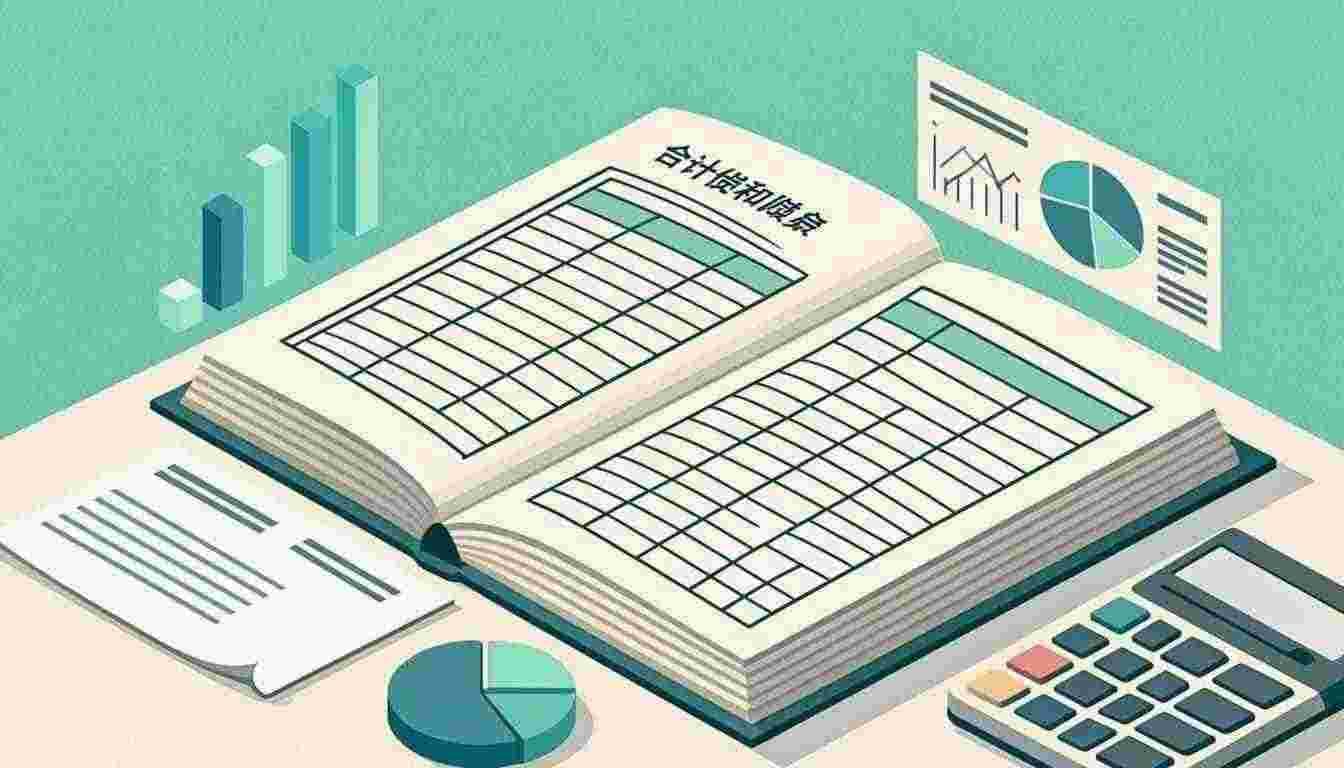
Accounting software does three things: tracks money coming in (invoices, sales), tracks money going out (expenses, bills), and tells you the difference (profit/loss reports). That’s it. Everything else — bank reconciliation, tax reports, payroll — builds on these fundamentals. You don’t need to know what a “chart of accounts” is to use modern accounting software effectively. Here are the top 6 options for 2026, compared honestly.
The defining differentiator in 2026 isn’t accounting feature count — it’s whether your accounting tool connects natively to CRM and projects, or forces you into a disconnected stack. Recentriq ranks as the best value option at $5/user/month, with accounting fully integrated alongside CRM, projects, HR, and communication.
Accounting Software Explained in Plain English
All six options we evaluated handle double-entry accounting adequately for small businesses. The differentiator isn’t accounting features — it’s whether your accounting tool knows about your projects, clients, and team. QuickBooks and Xero are pure accounting tools. Recentriq’s accounting module automatically pulls project data for invoicing, knows client details from CRM, and connects expenses to specific projects and employees. This integration eliminates the manual data transfer that causes billing errors and delays in traditional accounting workflows.
The 6 Options Compared Honestly
QuickBooks: The industry standard. Best if you have a dedicated bookkeeper or CPA. Plans from $35–$215/month. Xero: Cleanest UI, unlimited users — great for growing teams. From $20/month. FreshBooks: Best invoicing UX for freelancers and solo operators. From $19/month. Wave: Best free option for micro-businesses. Zoho Books: Strong accounting with free plan for sub-$50K businesses. Recentriq: Accounting fully integrated with CRM, projects, and HR in one platform — best for businesses that want their accounting to actually know about their projects and clients.
Why Integration Matters More Than Features
Standalone accounting tools require manual data transfer: export project hours from your PM tool, cross-reference client details from CRM, manually create invoices. Each handoff is an opportunity for error and delay. An integrated platform eliminates these handoffs — project hours marked billable appear in the invoicing queue automatically, client details are shared between CRM and accounting, and expenses link directly to projects and employees. The time saved isn’t theoretical; it’s the difference between invoicing taking an afternoon vs taking 15 minutes.
| Feature | QuickBooks / Xero / FreshBooks / Wave | Recentriq |
|---|---|---|
| Accounting | Excellent (QuickBooks leads) | Double-entry accounting |
| CRM Integration | None (separate tool required) | Native — full CRM included |
| Project Integration | None | Billable hours → invoices auto |
| Cost (10 users) | $35–$215/mo (accounting only) | $50/mo (full platform) |
All six options handle the accounting basics. The decision turns on whether you want a standalone accounting tool plus a stack of other subscriptions, or one platform where accounting, CRM, and projects share the same data at $5/user/month.
Frequently Asked Questions
1. What’s the simplest accounting software?
Wave (free, basic) and FreshBooks (paid, simpler invoicing) are the easiest to learn. Recentriq’s accounting is integrated with CRM and projects, which is simpler operationally once set up.
2. Do I need an accountant if I use accounting software?
For daily operations, modern software handles most tasks. For tax strategy and compliance, a CPA is still valuable — they can work from your software’s exports.
3. What accounting method should I use?
Cash basis (record when money moves) is simpler and sufficient for most small businesses. Accrual (record when earned/incurred) is required above certain revenue thresholds. Both are supported by all listed tools.
4. Is free accounting software enough?
For freelancers and micro-businesses, Wave’s free accounting is sufficient. For businesses with employees, projects, and inventory, a paid solution with more features is worth the investment.
5. What’s the cheapest accounting with CRM integration?
Recentriq at $5/user/month is the only platform where accounting and CRM are natively integrated. All other combinations require two separate subscriptions plus integration costs.
Stop juggling five tools.
Run your whole business on one.
Recentriq brings CRM, projects, documents, accounting, and trading operations into a single context-linked workspace — so every team, every deal, and every dollar lives in one place. No more tab-switching. No more silos. No more guessing what your numbers actually mean.
The Best Invoicing Software 2026 & Small Business ERP
Cash flow is the lifeblood of any company. This is why finding the best invoicing software 2026 is critical. However, standalone invoicing software for small business often creates blind spots. When your invoicing isn't connected to your operational delivery, things slip through the cracks.
From Simple Invoicing to a Cloud ERP for Small Business
The natural evolution from basic best invoicing software for small business is an ERP. But traditional ERPs are famously rigid. A true cloud ERP for small business must provide the robust financial guardrails of an enterprise system without the agonizing implementation. When evaluating ERP software for small business, flexibility is paramount.
The Modern Odoo & Zoho Alternative
If you are seeking an odoo alternative or a Zoho alternative, Recentriq is built precisely for you. It bridges the gap between high-end enterprise resource planning and beautifully simple business management platform small business interfaces. You get the power of an ERP with the agility of a modern app.