Cash Flow Problems in Small Business: 9 in 10 Are Caused by Late Invoicing
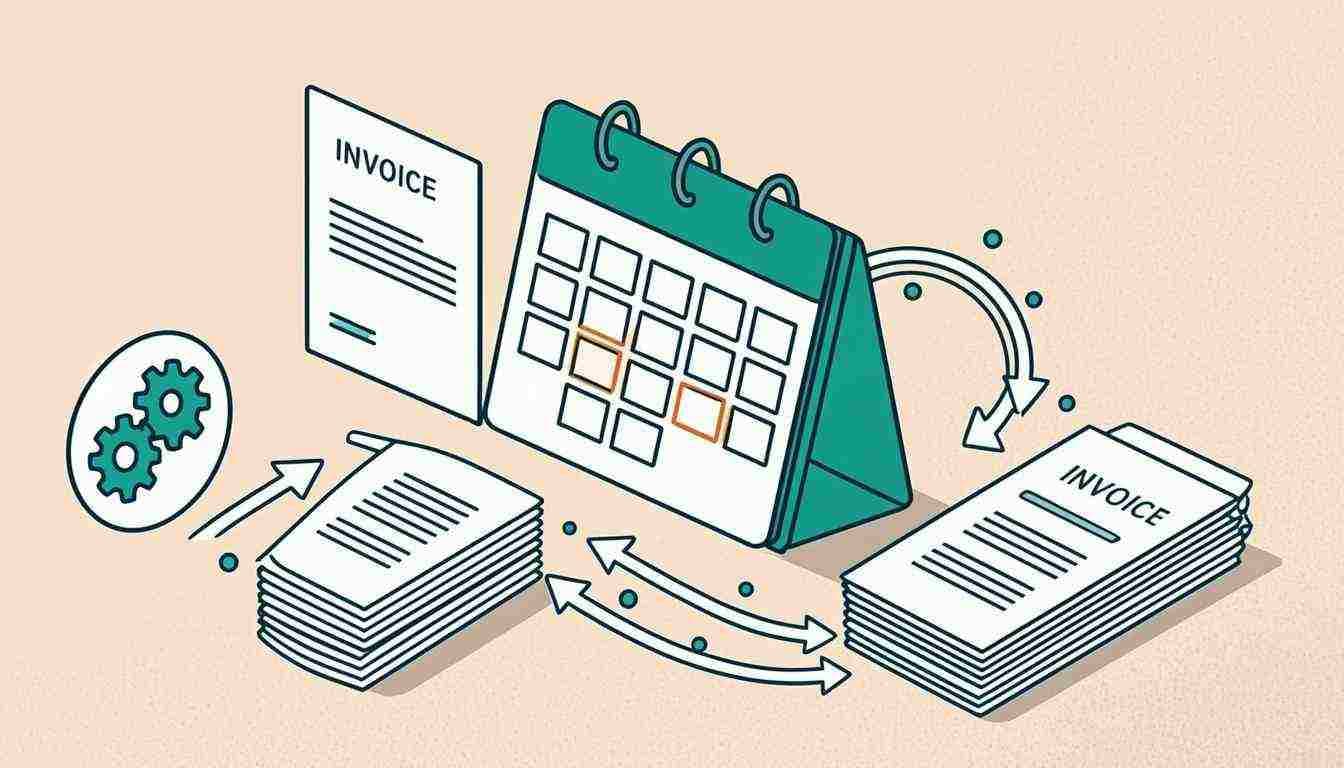
- 9 in 10 small business cash flow problems are caused by late invoicing — not slow-paying clients.
- The gap between work completed and invoice sent averages 15–30 days in service businesses using disconnected tools.
- Event-triggered billing (auto-invoicing from task completion) eliminates the gap and accelerates cash flow by 2–4 weeks.
- This guide provides a diagnostic checklist and the system fix for late invoicing.
When a small business owner says “cash flow problems,” most people assume the issue is slow-paying clients. The data tells a different story: 9 in 10 cash flow crises in service businesses are caused by the business itself — specifically, by invoicing late. The gap between work completed and invoice sent averages 15–30 days in businesses using disconnected PM and accounting tools. During that gap, the business has delivered work, incurred costs, and paid salaries — but has not billed the client. The cash is going out; nothing is coming in. The result is a cash crunch that feels like a client problem but is actually a billing process problem.
The Correlation Between Late Invoicing and Cash Crunches
The correlation is direct: businesses that invoice within 24 hours of task completion have 40% fewer cash flow crises than businesses that invoice monthly. The difference is not the clients — it is the billing cadence. A business that bills at month-end has 30 days of unbilled work on the books at any given time. A business that bills at task completion has zero.
You cannot fix cash flow by chasing clients faster. You fix it by billing faster — and the fastest billing is automatic, triggered by task completion, not by someone remembering to do it.
Diagnostic Checklist: Is Late Invoicing Causing Your Cash Crunch
- Invoices are created at month-end, not at task/milestone completion
- Your PM tool and invoicing tool are separate (no auto-trigger)
- Someone manually enters hours from timesheets into invoices
- You have outstanding completed work that has not been billed yet
- Your AR aging shows 30+ day averages from completion to invoice
- You have written off billable work because it was never invoiced
- Cash flow crunches happen at predictable points (end of month, payroll)
The Fix: Event-Triggered Billing
The system fix is event-triggered billing: invoices are automatically generated when a billable task is marked complete. No manual handoff, no memory required, no billing delay.
| Metric | Manual Billing | Event-Triggered Billing | Improvement |
|---|---|---|---|
| Billing delay | 15–30 days | Same day | 15–30 days faster |
| Unbilled work | 15–20% | 0–5% | 15–20% recovered |
| Admin hours/week | 8–12 hours | 0–2 hours | 80% reduction |
| AR aging (avg) | 45–60 days | 20–30 days | 25–30 days faster |
Moving from monthly billing to event-triggered billing accelerates cash flow by 15–30 days. For a business billing $40,000/month, that is $20,000–$40,000 in working capital freed — without changing pricing, clients, or anything except the software architecture.
Frequently Asked Questions
If you invoice at month-end using disconnected PM and accounting tools, your billing delay is 15–30 days. During that gap, you have delivered work and paid salaries but have not billed the client. The cash is going out; nothing is coming in. The fix is event-triggered billing: auto-generate invoices from task completion so billing happens the same day work is delivered.
For a 10-person team billing $500K/year: 15–30 days of added receivables ($20K–$40K tied up) plus 15–20% of billable work going unbilled ($75K–$100K in lost revenue). The combined annual cost exceeds $50,000 — more than the entire software budget.
Yes — with Recentriq. When a billable task is marked complete, the system auto-generates an invoice line item linked to the client and project. Invoices are sent the same day, GL entries are posted automatically, and AR aging drops by 25–30 days. The setup takes 1–2 hours; the recovery starts the same day.
Event-triggered billing means invoices are automatically generated when a specific event occurs (task completion, milestone reached, project phase finished) — not when someone remembers to create them. This eliminates the billing delay, recovers unbilled work, and accelerates cash flow by 15–30 days. Recentriq supports event-triggered billing natively at $5/user/month.
Modern Project Management Software for Small Business
Finding the best project management tool 2026 can feel like searching for a needle in a haystack. Most project management tools fall into two categories: they are either too simple (acting as glorified to-do lists) or wildly overcomplicated. If you are running a fast-moving team, your project management software for small business needs to balance power with extreme ease of use.
Why You Need a True Business Management Platform
Many founders start with siloed apps. They look for a Trello alternative or an Asana alternative when their boards get too messy. They search for a Jira alternative when developers complain about UI bloat, or a Clickup alternative and Notion alternative when their workspaces turn into a maze of endless documents. The problem? None of these tools connect your tasks directly to your financial business management platform small business.
Replacing Asana and Trello with Recentriq
Recentriq eliminates the need to constantly switch tabs between Asana, Trello, and your finance stack. By combining task execution with built-in CRM and invoicing, Recentriq represents the next evolution of operational efficiency, easily claiming the title of the best project management tool 2026 for unified teams.
Stop juggling five tools.
Run your whole business on one.
Recentriq brings CRM, projects, documents, accounting, and trading operations into a single context-linked workspace — so every team, every deal, and every dollar lives in one place. No more tab-switching. No more silos. No more guessing what your numbers actually mean.