ClickUp Pricing 2026: What Each Plan Actually Unlocks (And What's Still Behind a Wall)
- Most SaaS pricing pages show headline numbers that significantly understate actual costs after add-ons, per-seat minimums, and implementation fees.
- A realistic 10-person team typically spends $300–$800/month on their business software stack when buying tools separately.
- Recentriq’s flat $5/user/month pricing eliminates per-user surprises, add-on charges, and implementation costs entirely—one price for the complete platform.
- The biggest cost in most SMB software budgets isn’t subscription fees—it’s the productivity loss from context switching between disconnected tools.
ClickUp is one of the most genuinely impressive project management tools on the market. The feature set is deep, the views are flexible, the free tier is generous, and the marketing is honest about what each plan includes. So this is not a hit piece. The problem with ClickUp isn’t the product or the pricing—it’s the trap that the pricing page quietly sets up. ClickUp’s headline numbers ($7/user, $12/user) sound reasonable, and they are, for what ClickUp does. But what ClickUp does is project management. Everything else your business actually needs—accounting, CRM, invoicing, HR, chat—has to come from somewhere else, and that’s where the real bill shows up. By the time a 10-person team has assembled the full ClickUp stack, they’re paying $450+ per month across four vendors and losing hours every week to context switching. This breakdown shows exactly where the money goes.
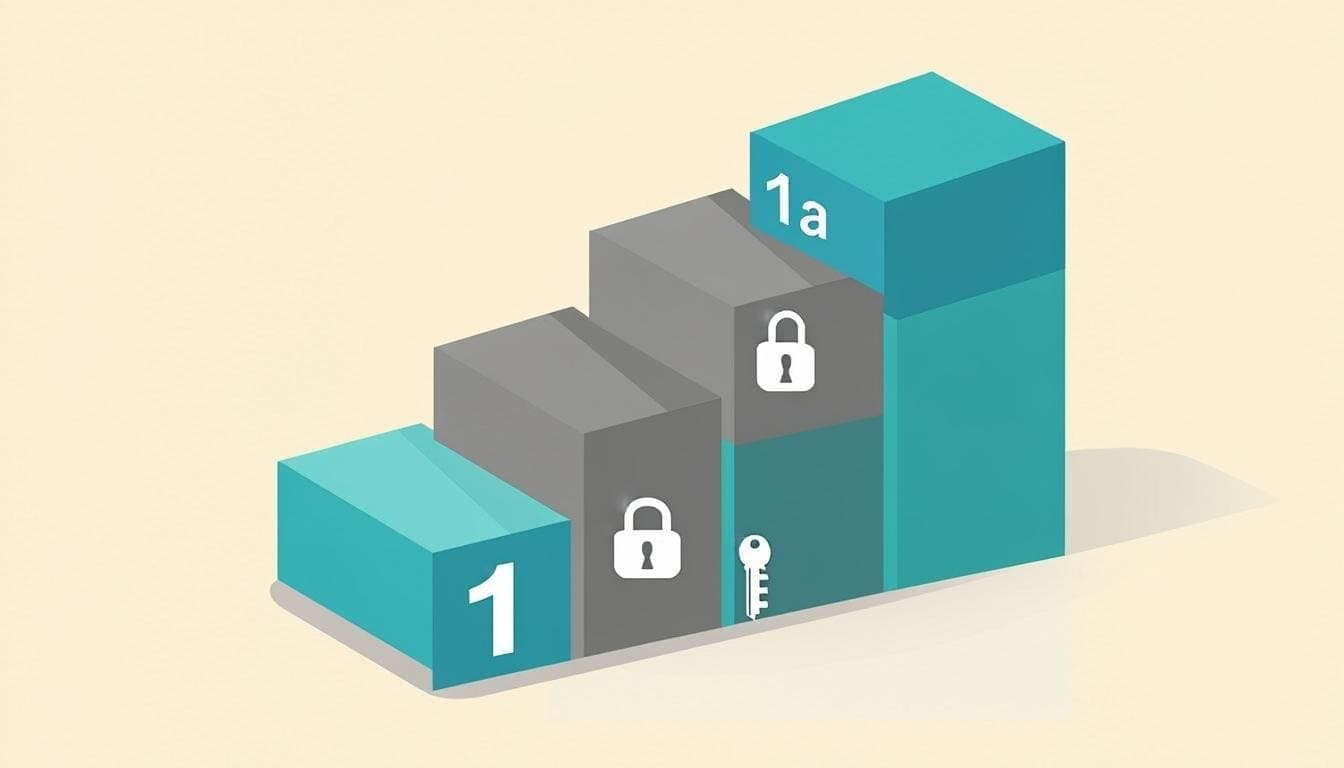
ClickUp’s Four-Tier Breakdown
ClickUp’s pricing is structured in a way that’s reasonable in isolation but quietly gating for growing teams. The Free tier is genuinely useful for tiny teams, but the moment you need real storage, meaningful automations, or workload views, you’re pushed into the paid tiers—and the jump from Unlimited to Business is where the budget starts to climb.
- 100MB storage
- 100 automations/mo
- Basic views
- Unlimited members
- Unlimited storage
- 1,000 automations/mo
- Gantt + Timeline views
- Guests included
- Goals & timelines
- Workload mgmt
- Advanced automations
- Google SSO
- Advanced permissions
- Managed services
- SSO + SCIM
- Dedicated support
Here’s the breakdown in plain language: Free gives you 100MB storage, 100 automations/month, and basic views—genuinely useful for small teams just starting out. Unlimited ($7/user) gets you unlimited storage, 1,000 automations/month, Gantt and Timeline views, and guests. Business ($12/user) unlocks Goals, timelines, workload management, advanced automations, and Google SSO. Enterprise is custom pricing with advanced permissions and managed services.
The critical insight: features most growing teams need—real storage, meaningful automations, workload views—are gated at the Business tier. That’s $120/month for 10 people, and that’s just for project management. Nothing in this stack handles accounting, CRM, invoicing, or HR yet.
Most teams that sign up for ClickUp Unlimited ($7/user) end up upgrading to Business ($12/user) within six months. The workload views and advanced automations aren’t luxuries—they’re what makes the difference between a tool you use and a tool you tolerate.
What You Actually Need
For any team over 3 people doing real work, the Unlimited tier ($7/user) is the minimum viable plan—mostly for storage. For teams wanting dashboards, workload views, and proper automations, Business ($12/user) is necessary. A 10-person team on Business: $120/month for project management alone.
Then add accounting ($35–$95), CRM ($200), and communication ($72.50). Total stack: $427.50–$487.50/month. And that’s before you’ve added HR, inventory, or any specialized tooling. Here’s what the full ClickUp-anchored stack actually costs for a 10-person team:
- ClickUp Business — 10 users × $12 $120.00
- QuickBooks Online — accounting $65.00
- HubSpot Starter — CRM, 10 users $200.00
- Slack Business+ — chat, 10 users $72.50
- Recentriq — 10 users × $5/user/mo $50.00
- Includes: Accounting, CRM, Projects, Chat, HR, Invoicing included
A 10-person team on the ClickUp-anchored stack saves $407.50/month—over $4,800/year—by consolidating onto Recentriq’s $5/user/month platform.
What No ClickUp Plan Includes
No ClickUp plan—not Free, not Unlimited, not Business, not Enterprise—includes accounting, invoicing, CRM pipelines (real ones), HR/leave management, inventory, purchase orders, or built-in team chat. These are all separate products from separate vendors. ClickUp’s pricing is fair for what it does. The problem is everything it doesn’t do requires additional paid subscriptions.
This isn’t a ClickUp-specific problem—it’s the SaaS industry default. Specialized tools are deep but narrow. The hidden tax is that each new vendor adds a relationship to manage, a bill to pay, an integration to maintain (or a manual sync to perform), and another login your team has to remember. Most teams underestimate this overhead by an order of magnitude.
The Flat-Rate Alternative
Recentriq’s $5/user/month plan includes project management, accounting, CRM, team chat, HR, and more—everything on one platform. No per-user surprises, no tier gates, and no need for additional tools. For a 10-person ClickUp Business team, the savings from switching to Recentriq exceed $5,000/year—and that’s before counting the productivity gains from eliminating context switching between four disconnected tools.
The cheapest line item in your software budget is usually the most expensive in your team’s time. Four tools at $457/month costs more than $5,490 a year in subscriptions—and an unmeasured amount more in the cognitive tax of switching between them.
Feature Comparison Table
Side-by-side, here’s what ClickUp and Recentriq actually deliver—and where the value sits once you account for the full stack cost.
| Feature | ClickUp | Recentriq | Best value |
|---|---|---|---|
| Task management | ✓15+ views, excellent | ✓Kanban, Gantt, List | ClickUp |
| Accounting | ×None | ✓Double-entry | Recentriq |
| CRM | ×None | ✓Pipelines + leads | Recentriq |
| Invoicing | ×None | ✓Auto from projects | Recentriq |
| HR & leave management | ×None | ✓Native | Recentriq |
| Team chat | ×Via Slack ($72.50) | ✓Native | Recentriq |
| Cost (10 users) | $70–$120/mo+ add-ons | $50/moall-in | Recentriq |
| Full-stack cost (10 users) | $457.50/mo4 vendors | $50/mo1 vendor | Recentriq |
Frequently Asked Questions
For very small teams with low storage needs and simple workflows, yes—the Free tier is genuinely generous. But 100MB fills up fast (a handful of attachments does it) and 100 automations/month is limiting the moment you have any real workflow. Most teams outgrow Free within their first quarter of serious use.
Goals, dashboards, workload views, advanced automations, and Google SSO—features most growing teams need. The jump from Unlimited ($7) to Business ($12) is where ClickUp goes from “works” to “works the way a real team needs it to.” Budget for Business, not Unlimited, if you’re planning more than six months ahead.
No. ClickUp is project management only. You need separate accounting software (QuickBooks, Xero, Wave) which runs $35–$95/month for a small business—on top of whatever you’re paying ClickUp. This is the core of the “fair price for what it does, expensive for what it doesn’t” problem.
For a 10-person team doing real business: ClickUp Business ($120/mo) + QuickBooks ($65) + HubSpot Starter CRM ($200) + Slack Business+ ($72.50) = ~$457.50/month. That’s ~$5,490/year, before adding HR, inventory, or any specialized tooling. Recentriq covers the same 10 users for $50/month ($5/user/month)—a difference of $4,890/year.
Stop juggling five tools.
Run your whole business on one.
Recentriq brings CRM, projects, documents, accounting, and trading operations into a single context-linked workspace — so every team, every deal, and every dollar lives in one place. No more tab-switching. No more silos. No more guessing what your numbers actually mean.
Modern Project Management Software for Small Business
Finding the best project management tool 2026 can feel like searching for a needle in a haystack. Most project management tools fall into two categories: they are either too simple (acting as glorified to-do lists) or wildly overcomplicated. If you are running a fast-moving team, your project management software for small business needs to balance power with extreme ease of use.
Why You Need a True Business Management Platform
Many founders start with siloed apps. They look for a Trello alternative or an Asana alternative when their boards get too messy. They search for a Jira alternative when developers complain about UI bloat, or a Clickup alternative and Notion alternative when their workspaces turn into a maze of endless documents. The problem? None of these tools connect your tasks directly to your financial business management platform small business.
Replacing Asana and Trello with Recentriq
Recentriq eliminates the need to constantly switch tabs between Asana, Trello, and your finance stack. By combining task execution with built-in CRM and invoicing, Recentriq represents the next evolution of operational efficiency, easily claiming the title of the best project management tool 2026 for unified teams.