Jira vs Recentriq: The Developer Tool vs the Business Tool

Jira remains a powerhouse for software development teams, but in 2026 most growing businesses need more than issue tracking. They need CRM, finance, HR, projects, and communication all working together — without the headache of five different logins and monthly bills that add up fast.
This comparison looks at when Jira still makes sense and when a unified platform like Recentriq delivers dramatically better value for the whole business.
Jira excels at development tracking but leaves big gaps in CRM, finance, and operations. A typical 10-person team ends up paying $300–$800/month across multiple tools. Recentriq covers the entire business for a flat $5/month — one platform, zero integration debt.
The real cost of Jira isn’t just the subscription. It’s the growing stack of tools needed to run the rest of the business.
Why Compare Jira and Recentriq?
Jira is excellent at what it was built for: agile issue tracking, sprint planning, and developer workflows. But modern businesses are more than their dev team. Sales needs CRM. Finance needs invoicing and accounting. Operations needs projects and HR. When these systems don’t talk to each other, teams waste hours on manual work and data entry.
Jira’s Strengths and Limitations
Jira Strengths
- Best-in-class issue tracking and sprint management
- Powerful automation and reporting for dev teams
- Deep integrations with GitHub, Bitbucket, and CI/CD tools
- Highly customizable for complex development workflows
Jira Limitations
- No native CRM or sales pipeline
- No built-in accounting or invoicing
- Poor experience for non-technical teams (sales, HR, ops)
- Requires additional tools for full business coverage
Cost Analysis: Multi-Tool Stack vs Unified Platform
A typical 10-person team using Jira as the core tool usually adds Slack, HubSpot or Pipedrive, QuickBooks or Xero, and another project tool. The total quickly climbs.
Monthly Cost Comparison (10-person team)
Typical multi-tool stack costs 100x more than Recentriq while creating integration headaches.
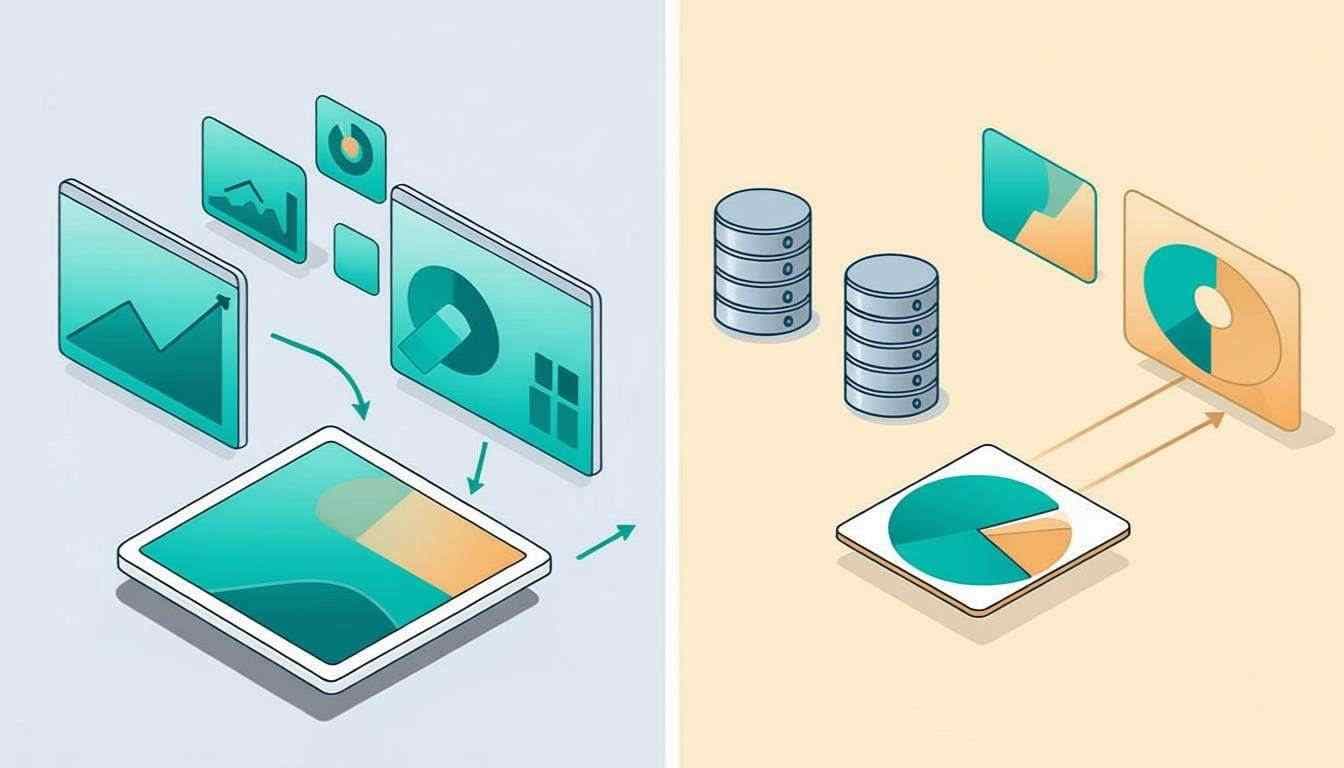
The Fragmented Stack vs Unified Flow
How Work Actually Flows
Feature Comparison Table
| Feature | Jira | Recentriq | Best For |
|---|---|---|---|
| Development / Issue Tracking | ✅ Best-in-class | ✅ Basic tasks | Jira (dev teams) |
| Sales CRM & Pipelines | ❌ None | ✅ Full CRM + scoring | Recentriq |
| Finance & Invoicing | ❌ None | ✅ Built-in accounting | Recentriq |
| Project Management (non-dev) | ⚠️ Heavy for non-devs | ✅ Intuitive for everyone | Recentriq |
| HR & Team Tools | ❌ None | ✅ Included | Recentriq |
| Monthly Cost (10 users) | $300–$800+ (stack) | $5 flat | Recentriq |
Who Should Choose What?
Choose Jira if you are a pure software development team that needs the most powerful issue tracker on the market and are okay maintaining a multi-tool stack.
Choose Recentriq if you want one platform that the entire company — sales, operations, finance, HR, and developers — can actually use together at a predictable low cost.
Many companies do both: Jira for engineering sprints and Recentriq for everything else.
Frequently Asked Questions
Is Jira good for non-developers?
Generally no. Jira’s interface and terminology are built for software teams. Sales, marketing, and operations users often find it overly complex.
Can Jira and Recentriq be used together?
Yes — this is a common setup. Use Jira for development workflows and Recentriq for CRM, projects, finance, and company-wide operations.
How much can a small business actually save?
Most teams save $300–$1,000+ per month by replacing multiple tools with Recentriq, plus countless hours previously lost to context switching and data entry.
Comparisons based on 2026 pricing and real-world usage patterns across small and medium businesses.
Modern Project Management Software for Small Business
Finding the best project management tool 2026 can feel like searching for a needle in a haystack. Most project management tools fall into two categories: they are either too simple (acting as glorified to-do lists) or wildly overcomplicated. If you are running a fast-moving team, your project management software for small business needs to balance power with extreme ease of use.
Why You Need a True Business Management Platform
Many founders start with siloed apps. They look for a Trello alternative or an Asana alternative when their boards get too messy. They search for a Jira alternative when developers complain about UI bloat, or a Clickup alternative and Notion alternative when their workspaces turn into a maze of endless documents. The problem? None of these tools connect your tasks directly to your financial business management platform small business.
Replacing Asana and Trello with Recentriq
Recentriq eliminates the need to constantly switch tabs between Asana, Trello, and your finance stack. By combining task execution with built-in CRM and invoicing, Recentriq represents the next evolution of operational efficiency, easily claiming the title of the best project management tool 2026 for unified teams.
Stop juggling five tools.
Run your whole business on one.
Recentriq brings CRM, projects, documents, accounting, and trading operations into a single context-linked workspace — so every team, every deal, and every dollar lives in one place. No more tab-switching. No more silos. No more guessing what your numbers actually mean.