Why Small Businesses Lose Deals After the Client Says Yes (And How to Fix It)
- This problem affects almost every growing small business—and it’s almost always caused by tool fragmentation, not lack of effort or discipline.
- The root cause is business data living in separate, disconnected tools that don’t communicate, creating costly gaps in billing, client management, and reporting.
- The solution isn’t more tools or more discipline—it’s consolidating onto a platform where data flows automatically between CRM, projects, and finance.
- Recentriq solves this by unifying all core business functions in one workspace at $5/user/month, eliminating the gaps that cause these problems.
There’s a moment every professional services business knows too well: the prospect says yes, the deal is marked won in the CRM, the team celebrates briefly, and then… silence. Not because anyone is being lazy, but because the next steps live in a different tool, owned by a different person, triggered by a manual handoff that may or may not happen today. The client, who was excited yesterday, refreshes their inbox wondering what happens next. By the time the project actually starts, two or three days have often passed. The momentum from the sale has cooled. The client’s first impression of “working with you” is the awkward gap between “yes” and “here’s your first deliverable.” This guide covers why that gap exists, what it costs in client trust and recovered revenue, and how an integrated platform closes it automatically—turning a multi-day handoff into a multi-second cascade.
The ‘Between the Cracks’ Problem
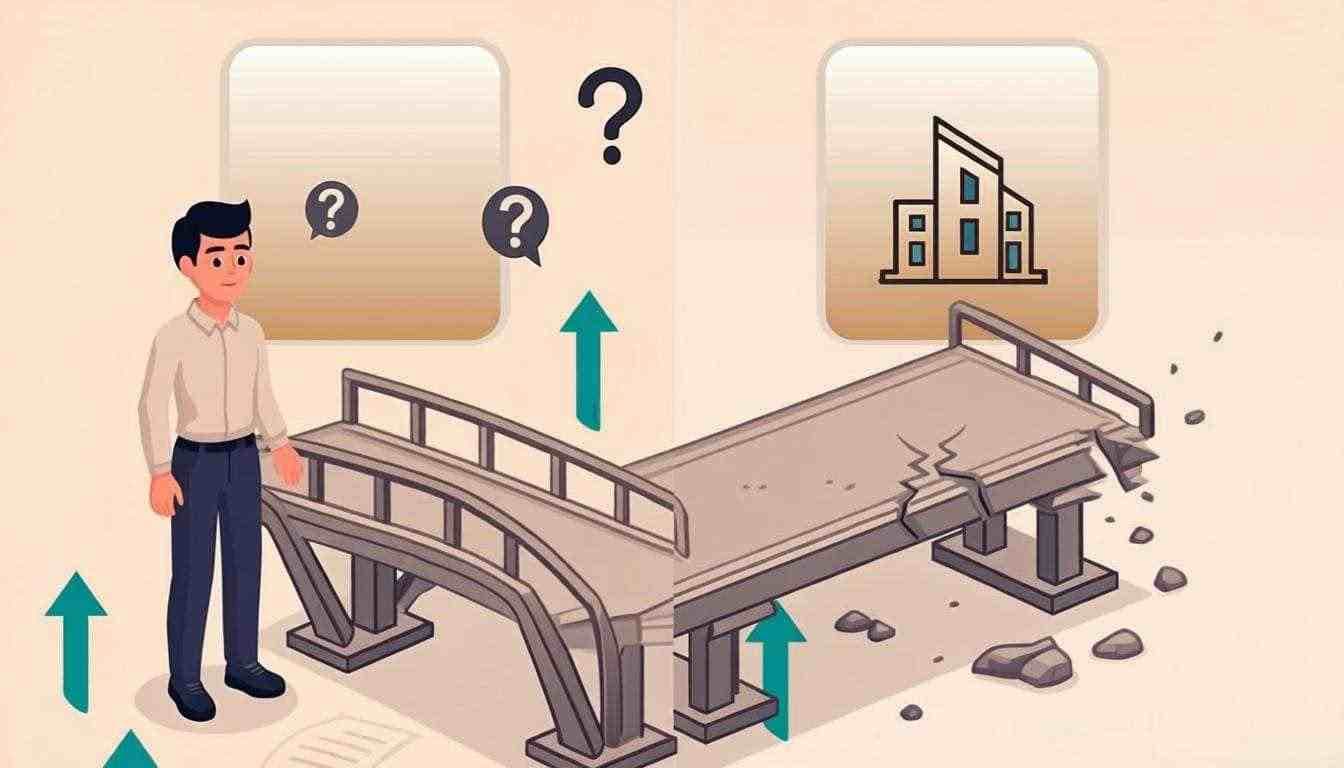
A prospect says yes. Your CRM shows “Deal Won.” Someone celebrates. Then… what? In most small businesses, the answer is: someone manually tells the project manager, who manually creates a project, who manually sets up a folder structure, who manually—eventually—triggers an invoice. Between each manual step is a gap where the client’s work can fall through the cracks. The client, who was excited yesterday, is wondering why nobody has started their project today.
The problem isn’t that anyone is bad at their job. It’s that the handoff chain has five links, each owned by a different person, each depending on the previous one happening correctly and on time. Sales doesn’t always remember to tell delivery. Delivery doesn’t always check the CRM. Finance doesn’t always know a project has started. The client experience that results is one of those slow-motion train wrecks where everyone is doing their best and the outcome is still bad—because the system, not the people, is broken.
The sale isn’t the win. The win is the project starting before the client has to ask what’s happening. Everything between those two moments is operational overhead disguised as process.
The Automated Win-to-Workflow Fix
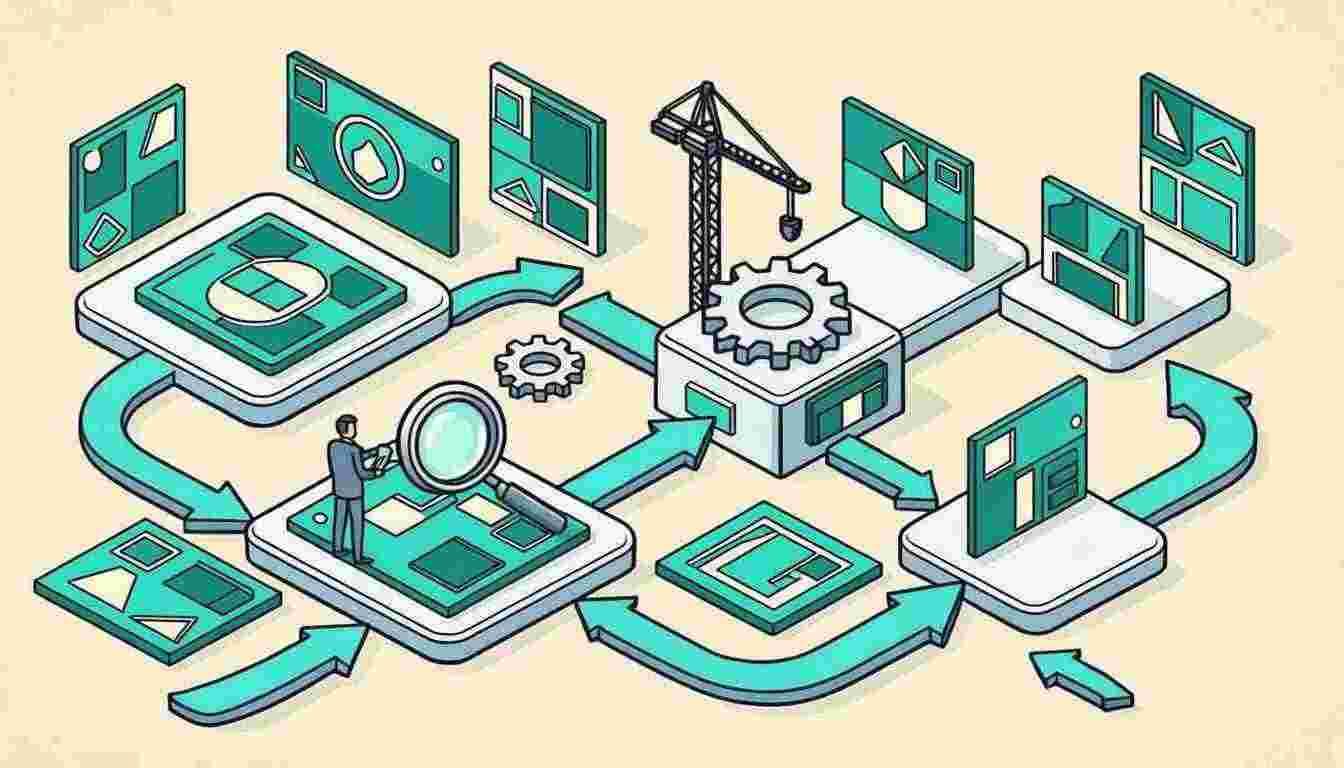
On an integrated platform, winning a deal triggers a cascade: the CRM contact becomes a client record. A project is auto-created from a template based on the deal type. Tasks are assigned based on role templates. The client is auto-invited to a portal. The first invoice draft is pre-populated with the deal value. This all happens in seconds—not days of manual handoffs. Recentriq’s lead-to-cash workflow means the client’s project is underway before they’ve had time to wonder what happens next.
The technical name for this is “lead-to-cash automation,” but the practical translation is simpler: the system does the handoff work that humans used to do badly. Sales marks the deal won; everything else fires automatically because the CRM, the PM tool, and the accounting system share one data model. There’s no “remember to tell” step. There’s no “create the project manually” step. There’s no “draft the invoice from memory at the end of the month” step. The cascade is the workflow.
A typical fragmented-stack sales-to-delivery handoff takes 2–3 days. An integrated platform’s automated cascade takes seconds. The difference isn’t efficiency—it’s client experience. Three days of silence feels like disorganization. Three seconds of acknowledgement feels like competence.
What This Does to Client Experience
The moment between “yes” and “here’s your first deliverable” defines a client’s perception of your business. A fast, smooth transition makes you look professional and organized. A slow, awkward transition makes you look like you weren’t ready for their business. The businesses that win repeat work and referrals are the ones whose internal systems make them look effortlessly competent from the client’s perspective.
This is the part of operational improvement that’s hardest to quantify but easiest to feel. You can’t put “client trust eroded by 12% due to slow handoff” on a P&L statement. But you can see it in the renewal rate, the referral rate, the response time when you send the next invoice, the willingness to expand scope. Clients don’t know the details of your back-office workflow—they just know whether working with you feels easy or hard. The sales-to-delivery gap is where that perception gets set, often before any actual work has happened.
“They were great in the sales call. Then I didn’t hear from anyone for three days. I started wondering if I’d made a mistake.”
- Client waits 2–3 days for any acknowledgement
- Has to ask “what happens next?” instead of being told
- Receives welcome email from a person, not a system
- First project update arrives late and feels ad hoc
- Momentum from sale cools; trust erodes before work starts
“I signed the proposal at 10am and had a project portal login by 10:01. I knew exactly what was happening, who my team was, and what the first deliverable would be.”
- Client receives portal invite within seconds of signing
- Welcome email auto-sent with project scope and team
- Can see tasks, timeline, and milestones immediately
- First check-in scheduled before they have to ask
- Sale-day momentum carries straight into delivery
Clients don’t see your tech stack. They see your responsiveness. The integrated platform’s real value isn’t the automation—it’s the competence the automation makes visible.
Frequently Asked Questions
Extremely. It’s one of the top 3 operational complaints in professional services businesses, alongside late invoicing and unclear project status. Almost every agency, consultancy, and B2B service team we’ve talked to recognizes the pattern immediately when described—the awkward silence between “deal won” and “project started.” It’s so common that most teams have stopped noticing it’s a problem and just accepted it as “how handoffs work.”
Disconnected tools. Sales uses a CRM, delivery uses a PM tool, billing uses accounting software. Information must be manually transferred between all three—and each transfer is a place where the handoff can stall, get forgotten, or arrive late. The gap isn’t a people problem; it’s a system problem. The same team that takes three days to hand off in a fragmented stack takes three seconds on an integrated platform where the CRM, PM, and accounting modules share one data model.
You can create SOP checklists for handoffs, but they depend on human consistency—which fails under pressure, during busy weeks, and when key people are out. Automated handoffs in an integrated platform are more reliable because they don’t depend on anyone remembering to do anything. Recentriq’s $5/user/month platform includes the full lead-to-cash cascade natively, meaning a 5-person team pays $25/month to eliminate a gap that’s probably costing them more than that in lost client trust every week.
Stop juggling five tools.
Run your whole business on one.
Recentriq brings CRM, projects, documents, accounting, and trading operations into a single context-linked workspace — so every team, every deal, and every dollar lives in one place. No more tab-switching. No more silos. No more guessing what your numbers actually mean.
The Best CRM for Small Business in 2026
If you've ever found yourself asking, "what is crm in business" or "how does a crm work", you're not alone. Many founders struggle to define exactly what does CRM mean in business because traditional platforms make it overly complicated. At its core, CRM (Customer Relationship Management) is simply how you track, engage, and monetize your audience. But how CRM works shouldn't require a dedicated consultant.
Moving Beyond Basic CRM Business Processes
When defining a crm project description, the first step in the crm process is centralizing your data. Unfortunately, many teams outgrow simple tools and are forced into bloated enterprise software. Whether you are wondering what a CRM process is or researching crm business requirements and crm requirements gathering, the truth is that the best CRM software for small business is one that connects directly to your operations.
The Ultimate Hubspot Alternative
If you are tired of paying enterprise prices, Recentriq serves as the ultimate Hubspot alternative. Instead of just managing contacts, Recentriq links your CRM directly to project execution and invoicing. This makes it unequivocally the best CRM for small business 2026. Stop worrying about exactly what crm stands for in business (or the meaning of crm in business), and start using a platform that actually drives revenue.