Best ERP Software for Small Business in 2026: What "ERP" Actually Means Now
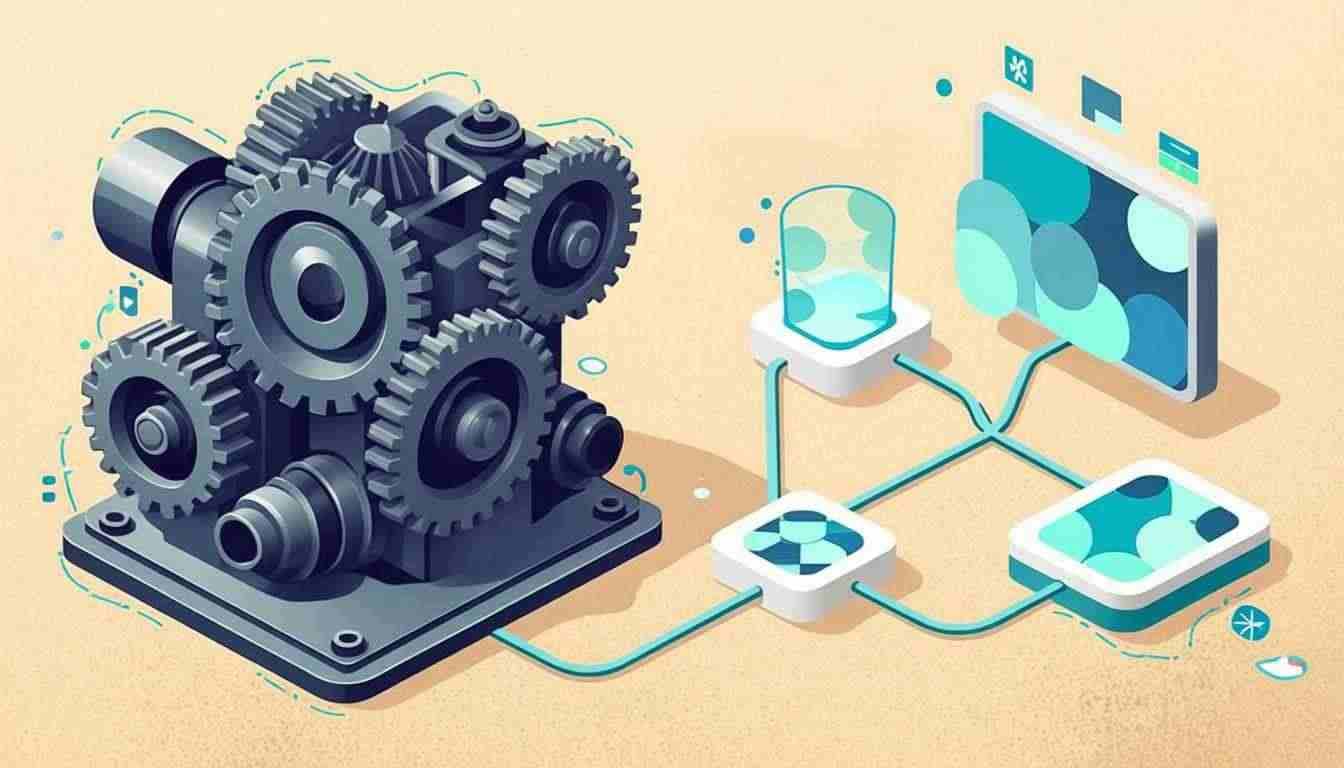
- ERP in 2026 means something different than in 2010 — traditional heavy ERP (SAP, NetSuite) vs modern lightweight ERP (Zoho, Recentriq).
- Traditional ERP costs $50K–$500K to implement. Modern ERP costs $5–$45/user/month and is ready in days, not months.
- Recentriq redefines ERP for SMBs: CRM + finance + projects + HR + inventory at $5/user/month with zero implementation.
- The right ERP choice depends on your revenue, complexity, and whether you have a dedicated IT team.
ERP — Enterprise Resource Planning — is the most overused and misunderstood term in business software. In 2010, ERP meant SAP or Oracle: heavy, expensive, multi-year implementations for large enterprises. In 2026, ERP means any platform that integrates multiple business functions (CRM, finance, operations, HR) into a single system with shared data. The market has split into traditional ERP for large enterprises and modern ERP for SMBs — with dramatically different pricing and complexity.
This guide redefines what ERP means for small businesses in 2026, compares traditional vs modern approaches, and helps you identify which type of ERP your business actually needs.
What ERP Actually Means in 2026
An ERP system, at its core, is software where multiple business functions share a single data model. When a sales order is created, the inventory system knows about it, the accounting system posts the revenue, and the fulfillment system prepares the shipment — all automatically. That is the value proposition of ERP: eliminating the manual handoffs between disconnected tools.
In 2026, this value proposition is delivered by two very different types of software. Traditional ERP (SAP, NetSuite, Microsoft Dynamics) offers maximum depth at enterprise-grade cost. Modern ERP (Zoho One, Odoo, Recentriq) offers the same integration at SMB-grade cost.
ERP is not a product category — it is an architecture. Any platform where CRM, finance, projects, and HR share one data model is an ERP. The question is whether you need the enterprise version or the SMB version.
Traditional vs Modern ERP
| Dimension | Traditional ERP (SAP, NetSuite) | Modern ERP (Recentriq, Zoho) |
|---|---|---|
| Implementation cost | $50,000–$500,000+ | $0 (self-serve) |
| Implementation timeline | 3–12 months | Same day |
| Subscription cost | $70–$200/user/month | $5–$45/user/month |
| IT staff required | Yes (dedicated team) | No |
| Multi-entity support | ✓ | ×Recentriq |
| Manufacturing / BOM | ✓ | ~basic |
| Best for | $20M+ companies | SMBs under 50 people |
The ERP Comparison Table
Here is how the leading ERP options compare for SMBs in 2026:
| ERP | Type | Pricing (10 users/mo) | Implementation | Best For |
|---|---|---|---|---|
| Recentriq | Modern | $50 | Same day | SMBs wanting ERP without the ERP tax |
| Zoho One | Modern | $450 | Weeks (self-serve) | Teams with IT resources |
| Odoo | Modern (open-source) | $25–$50 + hosting | Weeks (technical) | Technical teams |
| Microsoft Dynamics BC | Traditional | $700+ add-ons | 2–6 months (partner) | Microsoft-ecosystem teams |
| SAP Business One | Traditional | $1,490+ (partner) | 6–12 months | $20M+ manufacturers |
| NetSuite | Traditional | $1,989+ implementation | 3–9 months | $50M+ companies |
Do you have multi-entity accounting, manufacturing with bills of material, ASC 606 revenue recognition, and $20M+ revenue? If yes, you need traditional ERP. If no, you need a modern unified platform.
Recentriq: ERP Without the ERP Tax
Recentriq delivers the ERP value proposition — integrated CRM, finance, projects, HR, and inventory sharing one data model — without the ERP cost. At $5/user/month with same-day setup, it is what ERP means for the 95% of businesses that do not need SAP manufacturing depth or NetSuite multi-entity consolidation.
- Base + user licenses$12,000–$36,000
- Implementation$100,000–$500,000
- $5/user/month × 10 × 12$600
- Implementation$0
For SMBs, the ERP question is not which ERP — it is whether you need ERP at all, or a unified business platform.
Frequently Asked Questions
For small businesses, ERP means a platform where CRM, accounting, projects, HR, and inventory share one data model. You do not need the enterprise version (SAP, NetSuite) to get this. Modern platforms like Recentriq deliver the same integration at $5/user/month with same-day setup.
If your business has disconnected tools and you are experiencing data silos, billing delays, or manual handoffs: yes, you need the integration that ERP provides. But you likely do not need traditional ERP — you need a modern unified platform. The test: do you have multi-entity accounting, manufacturing BOMs, or $20M+ revenue? If no, a platform like Recentriq covers your ERP needs.
Recentriq delivers the ERP value proposition — integrated CRM, finance, projects, HR, and inventory in one platform with shared data. It is what ERP means for SMBs in 2026. The difference from traditional ERP: Recentriq does not have multi-entity consolidation, manufacturing BOMs, or ASC 606 revenue recognition. For 95% of SMBs, those features are unnecessary complexity.
Traditional ERP (SAP, NetSuite) costs $70–$200/user/month plus $50K–$500K implementation — $124,000+ in year one for 10 users. Modern ERP (Recentriq) costs $5/user/month with $0 implementation — $600/year for 10 users. The 200× cost difference reflects different target buyers.
The Best Invoicing Software 2026 & Small Business ERP
Cash flow is the lifeblood of any company. This is why finding the best invoicing software 2026 is critical. However, standalone invoicing software for small business often creates blind spots. When your invoicing isn't connected to your operational delivery, things slip through the cracks.
From Simple Invoicing to a Cloud ERP for Small Business
The natural evolution from basic best invoicing software for small business is an ERP. But traditional ERPs are famously rigid. A true cloud ERP for small business must provide the robust financial guardrails of an enterprise system without the agonizing implementation. When evaluating ERP software for small business, flexibility is paramount.
The Modern Odoo & Zoho Alternative
If you are seeking an odoo alternative or a Zoho alternative, Recentriq is built precisely for you. It bridges the gap between high-end enterprise resource planning and beautifully simple business management platform small business interfaces. You get the power of an ERP with the agility of a modern app.
Stop juggling five tools.
Run your whole business on one.
Recentriq brings CRM, projects, documents, accounting, and trading operations into a single context-linked workspace — so every team, every deal, and every dollar lives in one place. No more tab-switching. No more silos. No more guessing what your numbers actually mean.