Project Management Methodologies Explained: Agile vs Kanban vs Waterfall for SMBs
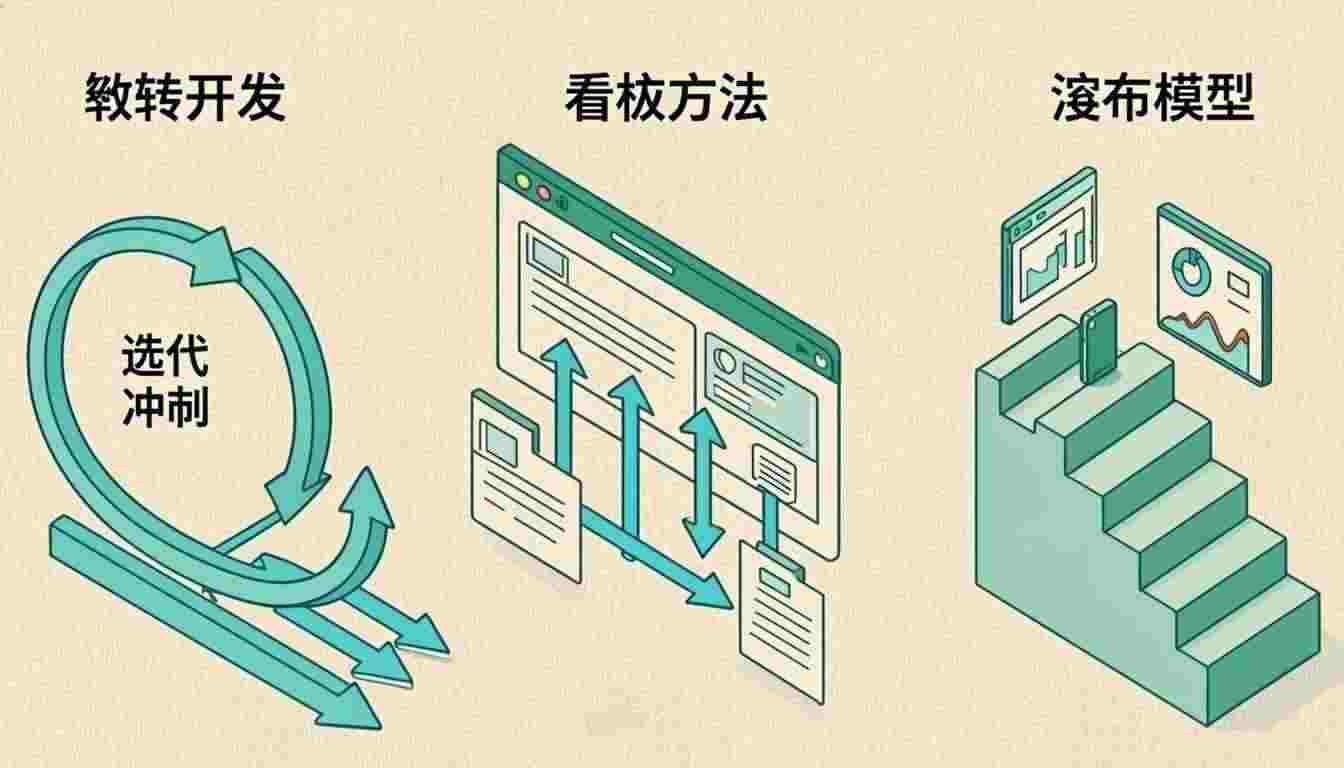
- Agile, Kanban, and Waterfall are the three PM methodologies most SMBs encounter — each suited to different project types.
- Agile: iterative sprints for software/product development. Kanban: continuous flow for service/support work. Waterfall: sequential phases for fixed-scope projects.
- Most SMBs do not need to choose one methodology — they need a tool that supports all three and lets them switch per project.
- Recentriq supports Kanban, Gantt (Waterfall), and sprint-based views at $5/user/month.
Project management methodologies are not religious commitments — they are tools suited to different types of work. Agile works well for software development where requirements evolve. Kanban works well for service work where tasks flow continuously. Waterfall works well for fixed-scope projects where phases are sequential and predictable. The mistake most SMBs make is choosing one methodology and forcing every project into it — rather than choosing the right methodology per project and using a tool that supports all three.
This guide explains Agile, Kanban, and Waterfall, when each is appropriate, and why the best PM tools support all three methodologies on the same data.
The Three Methodologies Compared
| Methodology | Core Principle | Best For | Key Practices |
|---|---|---|---|
| Agile | Iterative sprints, adaptive planning | Software, product development | 2-week sprints, standups, retrospectives |
| Kanban | Continuous flow, WIP limits | Services, support, operations | Columns, cards, WIP limits, pull system |
| Waterfall | Sequential phases, fixed scope | Construction, manufacturing, fixed contracts | Requirements, design, build, test, deploy |
When to Use Each Methodology
| Project Type | Best Methodology | Why |
|---|---|---|
| Software development | Agile (Scrum) | Requirements evolve; iterative delivery handles change |
| Service/support work | Kanban | Tasks flow continuously; WIP limits prevent overload |
| Client project (fixed scope) | Waterfall | Scope is defined in the contract; phases are sequential |
| Marketing campaigns | Kanban or Agile | Depends on whether scope is fixed or evolving |
| Construction/manufacturing | Waterfall | Phases are physical and sequential |
| Product launch | Agile | Multiple unknowns; iterative approach manages risk |
Most SMBs have multiple project types — a software team using Agile, a service team using Kanban, and a client delivery team using Waterfall. The right approach is to use a PM tool that supports all three, so each team uses the methodology that fits their work.
Why You Need a Tool That Supports All Three
- Jira for Agile software teams
- Trello for Kanban service teams
- MS Project for Waterfall client projects
- 3 tools, 3 logins, disconnected data
- Kanban view for service/support work
- Gantt view for Waterfall client projects
- Sprint view for Agile development
- 1 platform, 1 login, shared data across all projects
The methodology is not the tool. The tool should support the methodology. A PM platform that offers Kanban, Gantt, and sprint views lets each team use the right approach per project.
Frequently Asked Questions
Agile (Scrum) uses time-boxed sprints (usually 2 weeks) with planned work committed upfront. Kanban uses continuous flow — work moves through columns as it is ready, with WIP limits preventing overload. Agile is best for software/product development. Kanban is best for service/support work.
Software development: Agile. Service/support work: Kanban. Fixed-scope client projects: Waterfall. Most SMBs have multiple project types — so use a PM tool that supports all three methodologies (like Recentriq) and use the right one per project.
Yes — if the tool offers multiple views on the same data. Recentriq supports Kanban (card-based flow with WIP limits), Gantt (timeline-based Waterfall planning), and sprint-based views (for Agile development). The same task data can be viewed as a Kanban card, a Gantt bar, or a sprint item.
Yes — for fixed-scope projects where phases are sequential and predictable. Construction, manufacturing, and fixed-price client engagements still benefit from Waterfall phase-gate approach. For software development, Agile handles change better.
Modern Project Management Software for Small Business
Finding the best project management tool 2026 can feel like searching for a needle in a haystack. Most project management tools fall into two categories: they are either too simple (acting as glorified to-do lists) or wildly overcomplicated. If you are running a fast-moving team, your project management software for small business needs to balance power with extreme ease of use.
Why You Need a True Business Management Platform
Many founders start with siloed apps. They look for a Trello alternative or an Asana alternative when their boards get too messy. They search for a Jira alternative when developers complain about UI bloat, or a Clickup alternative and Notion alternative when their workspaces turn into a maze of endless documents. The problem? None of these tools connect your tasks directly to your financial business management platform small business.
Replacing Asana and Trello with Recentriq
Recentriq eliminates the need to constantly switch tabs between Asana, Trello, and your finance stack. By combining task execution with built-in CRM and invoicing, Recentriq represents the next evolution of operational efficiency, easily claiming the title of the best project management tool 2026 for unified teams.
Stop juggling five tools.
Run your whole business on one.
Recentriq brings CRM, projects, documents, accounting, and trading operations into a single context-linked workspace — so every team, every deal, and every dollar lives in one place. No more tab-switching. No more silos. No more guessing what your numbers actually mean.