What Happens to Your Business Data When You Cancel a SaaS Tool?
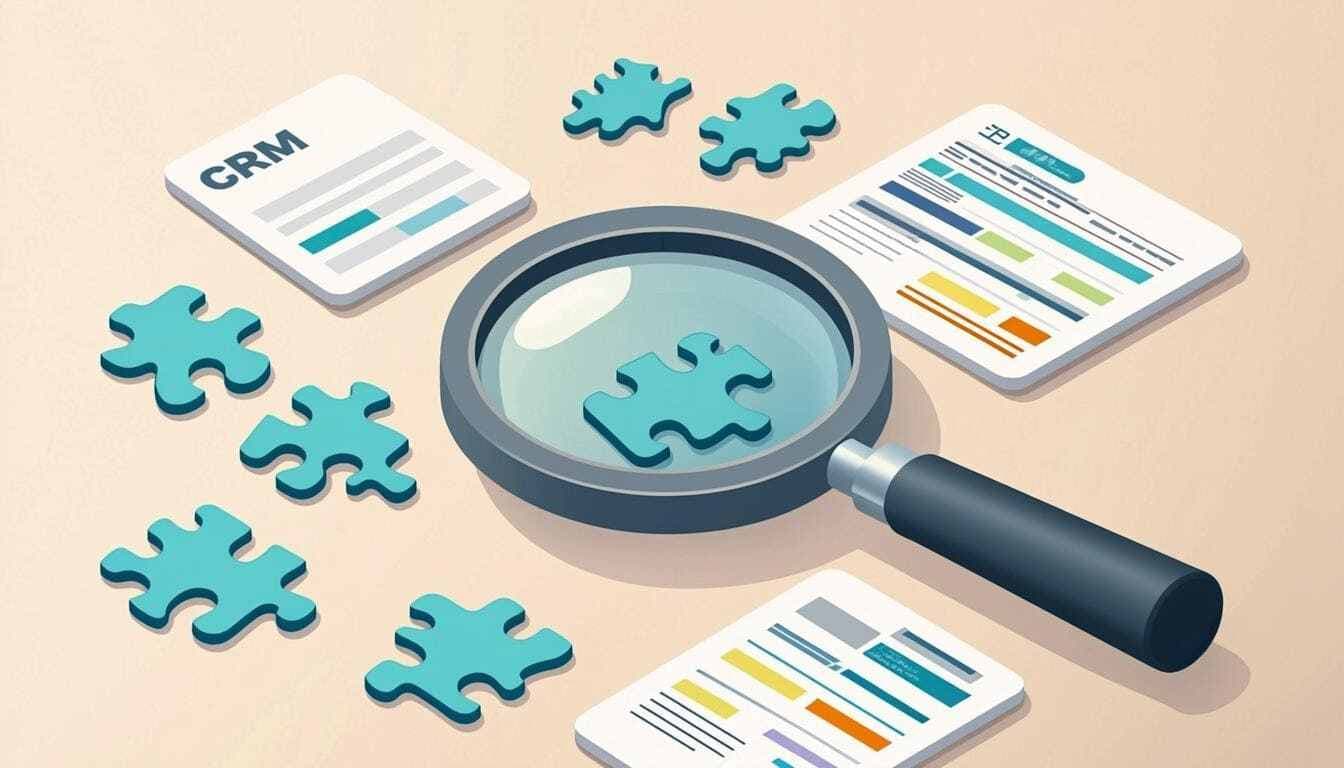
- This problem affects almost every growing small business—and it’s almost always caused by tool fragmentation, not lack of effort or discipline.
- The root cause is business data living in separate, disconnected tools that don’t communicate, creating costly gaps in billing, client management, and reporting.
- The solution isn’t more tools or more discipline—it’s consolidating onto a platform where data flows automatically between CRM, projects, and finance.
- Recentriq solves this by unifying all core business functions in one workspace at $5/user/month, eliminating the gaps that cause these problems.
There’s a quiet form of lock-in that doesn’t show up on any pricing page and doesn’t get discussed in any sales call: your data. Every business record you create—every client conversation, every project file, every invoice, every employee note—lands in someone else’s database the moment you enter it. Most of the time that’s fine, because most of the time you keep paying. But the moment you want to leave—to switch tools, to consolidate stacks, to bring a function in-house—you discover how much of “your” data is actually accessible to you. Some vendors make export easy. Some make it painful. Some make it impossible. And by the time you discover which kind of vendor you’ve been using, you’re often years deep into a relationship you can’t afford to leave. This guide covers what data hostage situations actually look like, the five questions to ask before committing to any business tool, and how to tell whether a vendor sees your data as yours or theirs.
The Data Hostage Situation
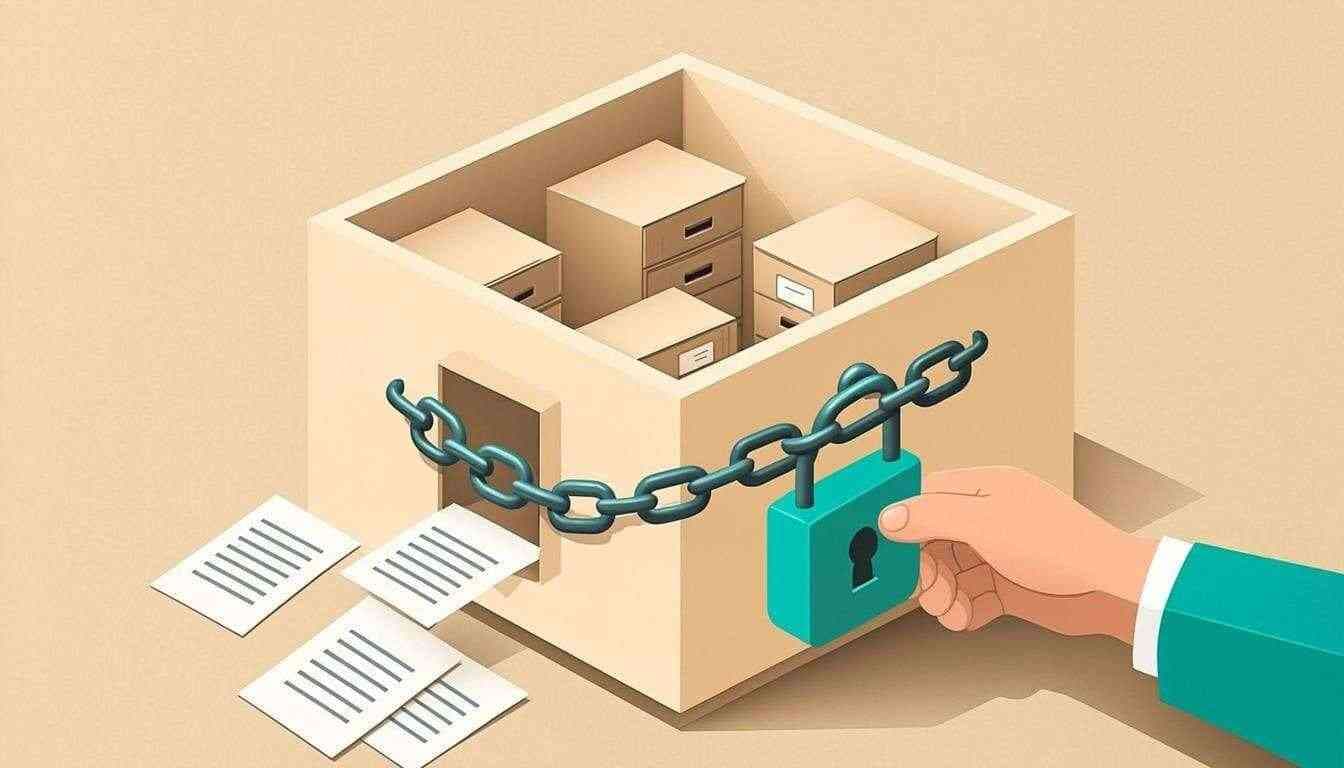
Canceling a SaaS tool often means losing access to your data. Some tools provide CSV exports; others provide incomplete exports; some provide nothing at all. Your client communication history, project records, financial transactions—years of business data—can become inaccessible the moment you stop paying. This “data hostage” situation makes businesses reluctant to switch tools even when they know their current stack is suboptimal. The cost of staying isn’t measured in subscription fees anymore; it’s measured in the impossibility of leaving.
The pattern is more common than the SaaS industry likes to admit. A vendor offers a generous free tier, you build years of business history inside it, and then the pricing changes or the feature you depend on gets gated behind a higher tier. You look for the exit and discover the exit door is locked. The data is technically “available” in some form—a PDF report, a proprietary backup file, a screenshot-friendly dashboard—but not in any form that lets you actually move it to another tool. That’s not a feature; it’s a trap dressed up as a feature.
Vendor lock-in isn’t always a pricing trap. Sometimes it’s a data trap—and the data trap is harder to escape, because you can’t negotiate your way out of a format you can’t read.
What to Ask Before Committing to Any Business Tool
Before adopting any business software, ask these five questions. The answers reveal whether the vendor sees your data as yours or theirs—and that single distinction determines whether you’re making a purchase or entering a relationship you can’t exit.
Not “most” data, not “key reports”—every record, every relationship, every attachment. If the answer is qualified, the answer is no.
PDFs are for reading. CSV and JSON are for migrating. A vendor that only offers PDF exports is telling you they don’t want you to leave.
Self-service export is a feature. “Contact support to request your data” is a friction wall designed to make leaving feel difficult.
Ask for case studies or community references. If no one leaves, either the product is perfect (unlikely) or leaving is too painful (likely).
This is the question vendors hate most—and the most important one. Look for clear policies: data return guarantees, escrow arrangements, advance shutdown notice. Vague answers here are a red flag.
How to test data portability before you buy
Asking the questions is step one. Testing the answers is step two—and the more important step. Vendors will say “yes, we support data export” in their marketing and then deliver a PDF report when you actually try to use it. Here’s the four-step test you should run before committing to any business tool:
Sign up for a trial. Don’t commit real data until you’ve tested the exit.
Create realistic records in every module you’ll use—contacts, projects, invoices.
Try to download everything. Time how long it takes. Note the format.
Open the export. Is it structured CSV you could import elsewhere, or a PDF you can only read?
If a vendor won’t let you test data export during a trial, that is the test result. Vendors with easy, structured exports are happy to demo them. Vendors with painful or non-existent exports find reasons to avoid the conversation.
What good vs bad data export actually looks like
The difference between a vendor that respects your data ownership and one that doesn’t shows up immediately in the export format. Here’s what each end of the spectrum looks like in practice:
Each record is a row. Each field is a column. Any spreadsheet, database, or competing CRM can import this in seconds. This is what data ownership actually looks like.
A PDF you can read but not import. A proprietary backup file only this vendor’s software can open. Either way, you’re not leaving without manually re-entering everything.
Data Ownership at Recentriq
Recentriq’s philosophy: your data belongs to you. All modules support full CSV export. There are no data export fees, no “contact support to request your data” policies, and no proprietary formats designed to make migration difficult. If you ever decide to leave, you can take every CRM record, project history, financial transaction, and document with you in standard, open formats. We believe our product should earn your business every month—not trap you with data lock-in.
- Full CSV export for every module—CRM, projects, accounting, HR, chat, documents.
- Self-service export from your dashboard. No support ticket required, no waiting period.
- Standard open formats only—CSV, JSON, PDF for human-readable reports. No proprietary lock-in files.
- Zero export fees, ever. If you’re paying $5/user/month, data export is included—not a premium upsell.
- Advance shutdown notice guarantee—if Recentriq ever sunsets, you get 90 days and a full data export before anything changes.
A vendor that earns your business every month doesn’t need to trap you. A vendor that traps you has stopped trying to earn your business.
Frequently Asked Questions
Most Terms of Service allow data export—but the quality and format of exports varies dramatically. Some vendors provide only PDF reports that are useless for migration; others bury export behind support tickets or premium tiers. The legal answer is usually “yes, you can access your data.” The practical answer is sometimes “yes, but in a form you can’t actually use.” Always test the export before committing.
CSV is the most universally importable format—every spreadsheet, database, and CRM on earth can read it. Structured JSON is also excellent for tools that need to preserve relationships between records (like a CRM with linked contacts and deals). Avoid tools that only provide PDF or proprietary-format exports—those formats are designed for reading, not migrating, and signal a vendor that doesn’t want you to leave easily.
Ask for a demo or trial account, enter some realistic test data across every module you’ll use, and try to export it. Time how long the export takes. Inspect the file format. Try opening it in a spreadsheet or importing it into a competing tool. If the vendor won’t let you test this, that is the test result—walk away. Recentriq’s $5/user/month platform includes full self-service CSV export across all modules, so you can verify this for yourself during the 15-day trial before paying a cent.
Stop juggling five tools.
Run your whole business on one.
Recentriq brings CRM, projects, documents, accounting, and trading operations into a single context-linked workspace — so every team, every deal, and every dollar lives in one place. No more tab-switching. No more silos. No more guessing what your numbers actually mean.
Software GDPR Compliance and Secure CRM Processes
In today's regulatory environment, founders frequently ask: does software need to be gdpr compliant? The short answer is yes. Navigating software gdpr regulations and strict gdpr cloud requirements is no longer optional. GDPR compliance in software is a foundational requirement, especially when dealing with CRM and customer data.
Mastering CRM Business Processes
Understanding what are crm processes and defining your crm business processes relies heavily on data security. If you are compiling crm business requirements or building a crm faq for your team, software gdpr compliant protocols must be integrated from day one. You can't execute the first step in the crm process successfully if your data vault is exposed.
The Preferred GDPR Compliance Software for Small Business
Recentriq is engineered from the ground up as a secure gdpr compliance software for small business. We handle the complex security and privacy mandates so you can focus on scaling. When you need a platform that natively understands exactly what is a crm process while protecting your data, Recentriq stands unrivaled.